

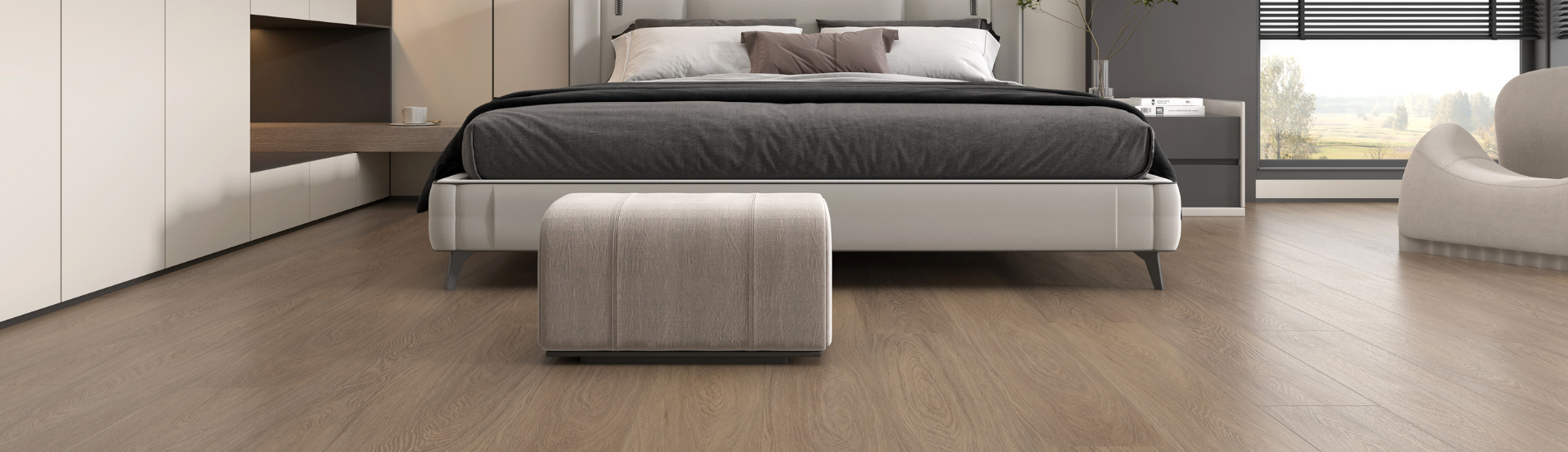


The Problem with Traditional Laminate Flooring
Anyone who’s had laminate flooring knows the headache. You drop a glass of water in the kitchen, forget about it for a bit, and suddenly the edge of a board starts lifting. Or maybe the basement stays damp in the summer and the planks begin to buckle. It doesn’t take much water for traditional laminate to lose its shape.
That’s why water-resistant laminate flooring caught on. It gave people a better option—something that could handle day-to-day messes without needing to be replaced so quickly. Homeowners especially liked the idea for bathrooms and kitchens, where the floor is almost guaranteed to get wet.
The catch is that “resistant” doesn’t mean waterproof. Leave standing water too long and the problems come back. That’s where HPL-SPC comes in. It’s built to go further, combining a rigid core with a tougher surface so it holds up in places where normal laminate simply won’t.

What Is Water-Resistant Laminate Flooring?
Water-resistant laminate flooring is basically laminate with a little extra protection. The surface is treated so it can handle spills better than the older stuff. If you wipe things up quickly, you usually won’t notice a problem.
That said, it’s still not waterproof. Leave water sitting too long, or put it in a room that stays damp, and the boards can still swell or start pulling apart. It buys you time, but it doesn’t solve the issue completely.
That’s where HPL-SPC comes in. Instead of just slowing down moisture, it’s built to block it. The rigid core and tough laminate surface make it more stable, so it holds up even in places where normal laminate would fail.
HPL-SPC vs. Water-Resistant Laminate Flooring
When people shop for water-resistant laminate, they often expect it to handle everyday spills. The truth is, it does—up to a point. Leave water sitting too long, and swelling or edge damage can still happen. HPL-SPC doesn’t have that issue. Its stone-plastic core and HPL surface make it completely waterproof, even in kitchens or bathrooms.
Other key differences:
- Durability: Laminate scratches fairly easily. HPL-SPC has a tougher surface that handles pets, kids, and heavy traffic better.
- Stability: Laminate can expand or shift when humidity changes. HPL-SPC stays firm and flat.
- Maintenance: Laminate needs gentle care. With HPL-SPC, you can mop without worry.
In short, water-resistant laminate offers some protection, but HPL-SPC is built for the long haul.

Key Features of HPL-SPC Flooring
Waterproof Protection
If you’ve ever had laminate flooring in a kitchen or basement, you probably know how quickly water ruins it. A small leak or regular dampness makes the boards swell and lose their shape. HPL-SPC is different because its core is fully waterproof. That means you can put it in spaces where laminate usually fails—bathrooms, laundry rooms, even below-grade basements—and it won’t warp. Homeowners like it for the peace of mind, and businesses like it because it lasts longer with less maintenance. It’s a flooring option built for real-life messes.
Fire Resistance
Most people don’t think about fire when choosing flooring, but it matters. Traditional laminate and wood can catch fast and add fuel to the flames. HPL-SPC is designed to resist fire, so in the event of an accident it slows things down instead of making them worse. This doesn’t just protect the space—it buys people time. That’s one reason it’s a smarter option for large buildings like offices, hotels, or apartments. It adds a layer of safety without changing the look or comfort of the space.

Low Formaldehyde
Nobody wants flooring that gives off strong odors or contributes to poor indoor air. Some older laminates and composite products release formaldehyde, which can irritate people over time, especially in places where kids or patients spend their days. HPL-SPC is built differently, with a low-formaldehyde design that keeps indoor air cleaner. That makes it a practical option for homes, schools, or healthcare spaces where safety is a priority. And if your project needs a special fit, we can supply custom sizes along with additional hardware or metal parts.
Where to Use HPL-SPC Flooring
Not every type of flooring can handle moisture or heavy foot traffic, but HPL-SPC has the flexibility to do both. Instead of limiting it to one setting, people are putting it in very different spaces:
- In homes: Kitchens and bathrooms see a lot of spills, and basements often deal with dampness. This flooring holds up where standard laminate usually gives out.
- In busy businesses: Hotels, apartments, or office lobbies need something that won’t look worn after a year. The scratch resistance helps it stay presentable even with suitcases and carts rolling over it every day.
- In public buildings: Schools, hospitals, even airports all benefit from a surface that’s easy to clean and doesn’t buckle under constant traffic.
- In restaurants and cafés: Food service areas see spills, dropped utensils, and constant movement of staff and guests. HPL–SPC holds up– well, making it practical for both front-of-house and kitchen zones..
The main point? If the area has water, heavy use, or both, HPL-SPC is usually the safer bet.
About Remica
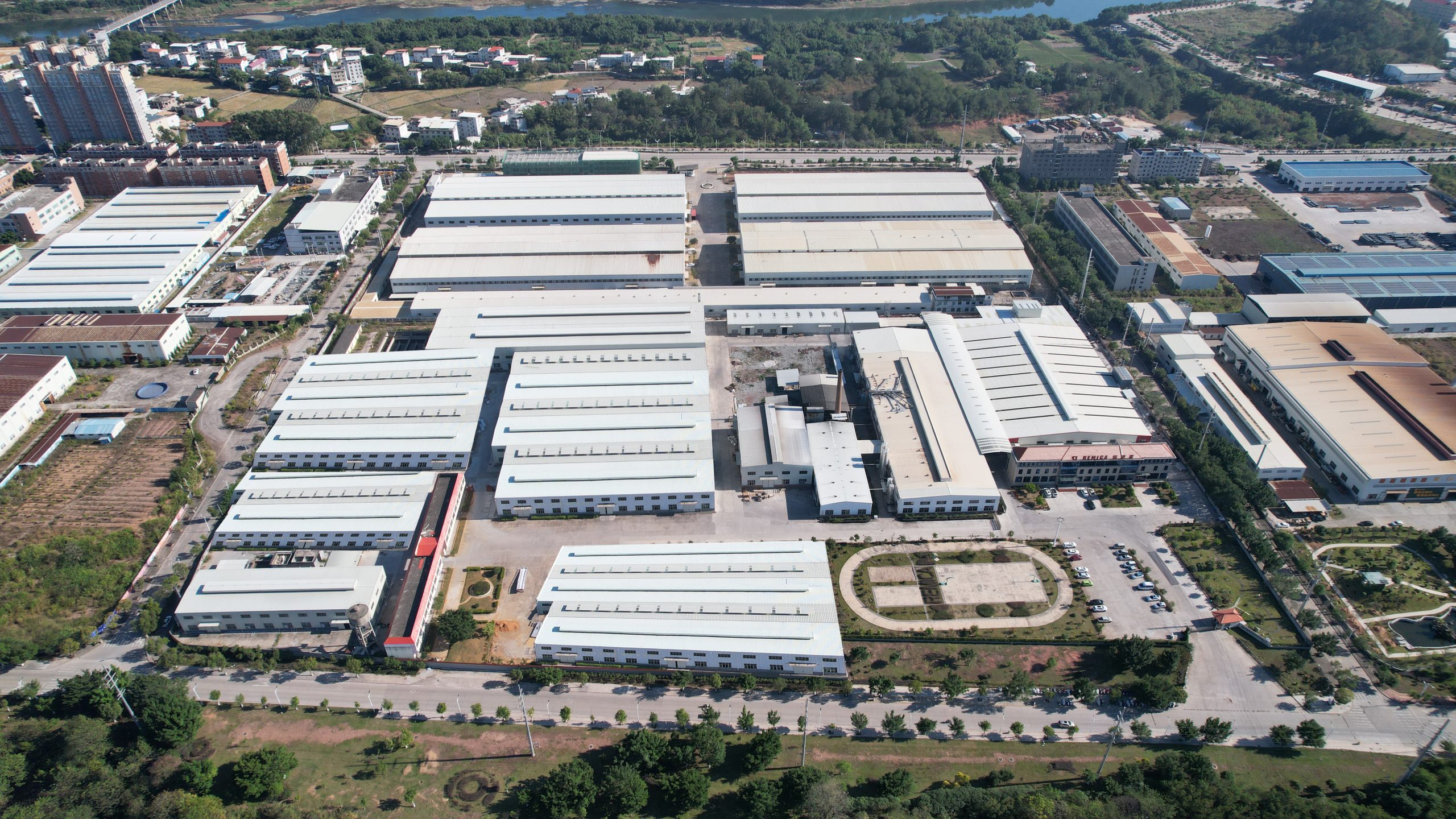
Remica was founded in 2013 and is headquartered in Hong Kong, China with a 130,000m2 manufacturing facility in Longyan, Fujian. Our presence has been extended over the years with branches in Hong Kong, Shenzhen, Dongguan, Xiamen and Wuxi. In 2023, we entered the international market with a fire-rated door manufacturing plant in Malaysia.
Remica has become a leader of decorative and functional materials today. Our group is committed to delivering powerful innovations, environmentally friendly solutions, and unparalleled quality to customers across the globe.


Why Choose HPL-SPC Over Standard Laminate?
Laminate flooring has its place, but it’s a bit like buying an umbrella that only works in light rain. The moment you get a downpour—like a leaking pipe or a humid basement—you’ll see its limits. Boards start puffing up, edges curl, and the “resistant” part doesn’t feel very convincing anymore.
HPL-SPC doesn’t flinch at that. Its stone-plastic composite core doesn’t soak up moisture, period. You can mop it, spill on it, or put it in a damp laundry room, and it’ll stay flat and solid.
Durability is another one of those quiet deal-breakers. Drag a chair across the laminate a few times and you’ll probably notice scratches. Do the same with HPL-SPC, and it shrugs it off. For families with kids, pets, or just high-traffic spaces, that difference adds up over the years.
And here’s a bonus people often overlook: air quality. Some laminates release formaldehyde over time. HPL-SPC skips that, which makes it a safer bet indoors—whether that’s a home, an office, or a classroom.
So if laminate is “good enough,” HPL-SPC is the flooring that actually lasts through real life.
Ready to Upgrade to HPL-SPC Flooring?
At the end of the day, water-resistant laminate has its place, but it only goes so far. If you’re after flooring that won’t buckle with moisture, stands up to daily wear, and still looks sharp, HPL-SPC is the smarter call. The bonus is you’re not stuck with fixed options — we can size it the way you need and add the hardware to match your project.
Want to see how it would fit your space? Just ask us for a sample or a quick quote and we’ll walk you through it.
No. Water-resistant laminate can handle small spills but isn’t fully waterproof. HPL-SPC has a solid waterproof core with a high-pressure laminate surface, so it resists swelling, warping, and long-term water damage.
Yes. Unlike many standard flooring options, HPL-SPC can be ordered in custom sizes and with additional hardware or metal parts, making it suitable for unique layouts or heavy-use commercial settings.
It works well in kitchens, bathrooms, basements, hotels, offices, schools, and even restaurants. Anywhere that sees moisture or heavy traffic, HPL-SPC is usually the smarter choice.
 English
  Russian
  Spanish
  Arabic
  German
  Chinese
  Thai
Thai  Vietnamese
  Italian
  French
  Portuguese
  Turkish
  Korean